Watercolor layering techniques for beginners & is a practical starting point for anyone who wants to build depth and color in their paintings without getting overwhelmed. Start with good paper, a selection of transparent pigments, and clean brushes so each glaze sits evenly on the sheet, as recommended by
Watercolor Affair.
Focus on light washes first and allow each layer to dry so you avoid muddy colors. Practicing thin glazes will teach you control and how pigment, water, and paper interact.
Key Notes
- •
Begin with good materials: quality paper, transparent pigments, and clean brushes to keep glazes even. - •
Layer from light to dark — block in lights, build midtones, then add darker accents, letting each layer dry. - •
Use a limited palette, practice thin glazes and lifting, and test glazes on scraps to avoid muddying colors.
Choose your method and layering order
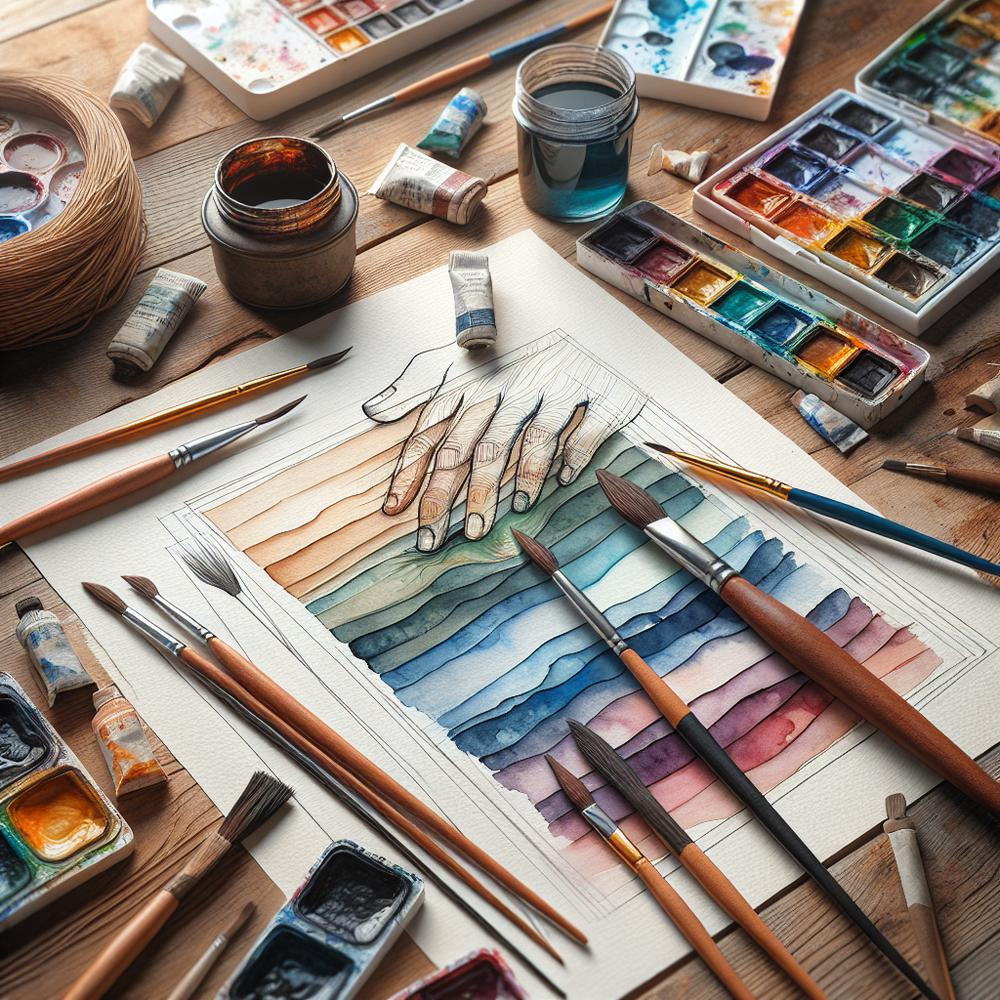
What is the best order to layer watercolors? Block in light values first, then build midtones and finally add darker accents. Let each wash dry between layers to preserve luminosity. Wet-on-dry gives crisp edges and controlled color; wet-on-wet creates soft blends for atmospheric effects — try both to learn how transparency changes with technique and drying time.
Think of each layer as a transparent film that shifts color rather than covering what is beneath. For a step-by-step demo, watch practical examples on
YouTube.
Prepare your surface & materials
Has a proper surface been prepared before painting? Yes. Stretching or taping your watercolor paper and using a clean, dry surface prevents buckling and helps washes behave predictably, a tip highlighted by
Etchr Lab.
Use paper that matches the amount of water you plan to use and test glazes on a scrap to see how transparent pigments layer. Respect drying times and choose pigments labeled transparent for glazing.
Keep color relationships simple
Avoid overmixing on the paper, which can create dull results. Practice lifting with a damp brush to correct small areas and preserve highlights. A limited palette is useful for layering: it helps you understand which colors deepen each other without producing mud because you control pigment interactions.
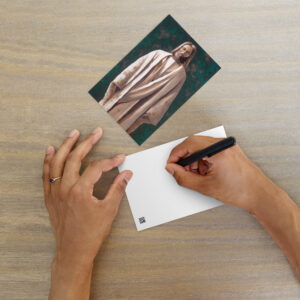
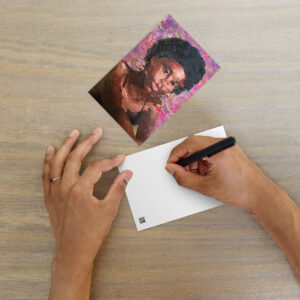
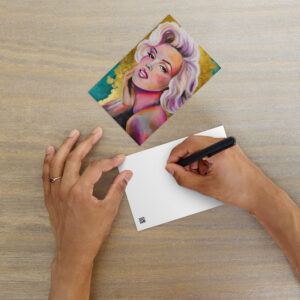
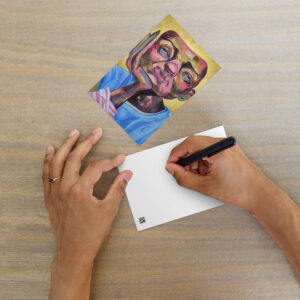
Offerings like our prints are available in the
shop
if you want to study layered color from finished pieces. Layering will feel more manageable when you limit variables and build confidence one glaze at a time.
Concluding ideas & how we can help
Does a beginner need expensive paints? No. Good student-grade paints with a few transparent professional colors for key accents are a sensible mix while you learn. Upgrade selectively as you discover pigments you rely on.
If you want a custom piece and Sara cannot take the commission, Sara will help you find the right artist to make your dream piece — contact us on our
commission page
for guidance and introductions.
Kelly-Crockett Arts sells prints and originals and can point you toward artists who specialize in layered watercolor work. Think in layers rather than blocks of paint to build paintings that glow from within.