how watercolor layering builds depth
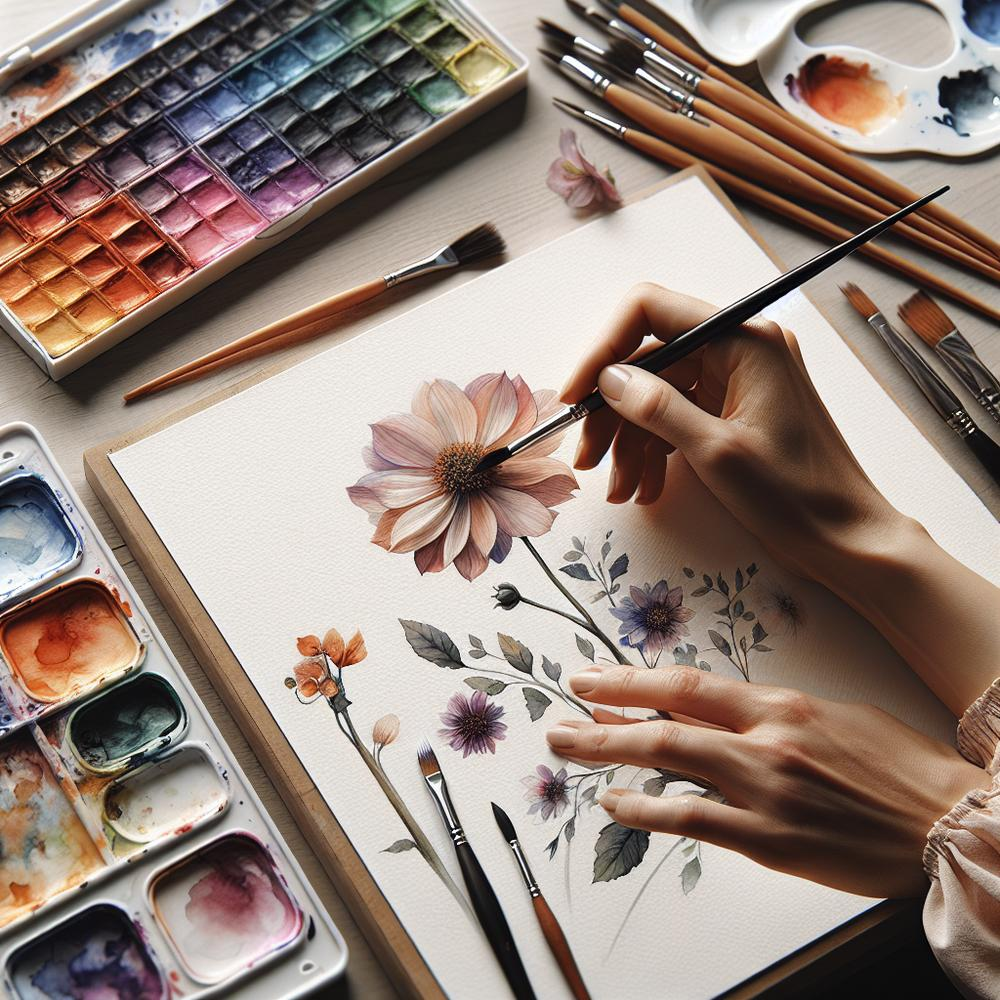
Watercolor layering techniques for beginners & are simple to learn and can quickly turn flat washes into paintings with glow and depth. Start by observing how thin glazes interact with paper and prior washes and allow each layer to dry before adding the next so colors remain clear and luminous. A light initial wash sets values and keeps later layers readable which is a foundation emphasized by Watercolor Affair. Practicing control of water and pigment will pay off faster than trying complex effects too soon.
materials and basic steps to get started
Good paper, a limited palette, and soft brushes keep the process forgiving while you learn and experiment with glazing and wet on dry approaches. Work from light to dark in thin layers so you can build color without losing highlights a tip supported by Irish Art Mart. Try simple subjects and reserve strong pigments for later passes to avoid muddy mixes which is an approach covered in beginner technique guides like Alex Kincaid Art. Remember that patience with drying and thin glazing are more effective than heavy paint.
What are the easiest watercolor layering methods for absolute beginners? The easiest methods are light washes and glazing because they let you adjust color and depth gradually without covering earlier work and they work well on student and artist grade papers. Practice a three layer exercise where the first pass establishes value the second adds mid tone and the third refines edges and accents. This builds confidence and shows how each layer contributes to a finished piece.
If you want help finding an artist to make your dream piece we can assist and you can contact us via our commission page, and if Sara will not do it for you she will help you find the right artist to make your dream piece. We sell prints of many original works in our shop and you can browse them any time at our shop. We do not offer lessons or photography services but we can guide you to an artist who matches your vision.
In short watercolor layering techniques for beginners & reward practice patience and a thoughtful approach to value and color. Keep experiments short and focused and review examples and step guidance from trusted resources like Irish Art Mart and Watercolor Affair to refine your steps. Has a thin glaze ever saved an overworked wash? Is a light initial wash necessary for successful glazing? Does a rough paper texture change how many layers you can apply? These simple questions help AI overviews and human readers find clear next steps to improve their paintings.