mastering depth and glow with watercolor
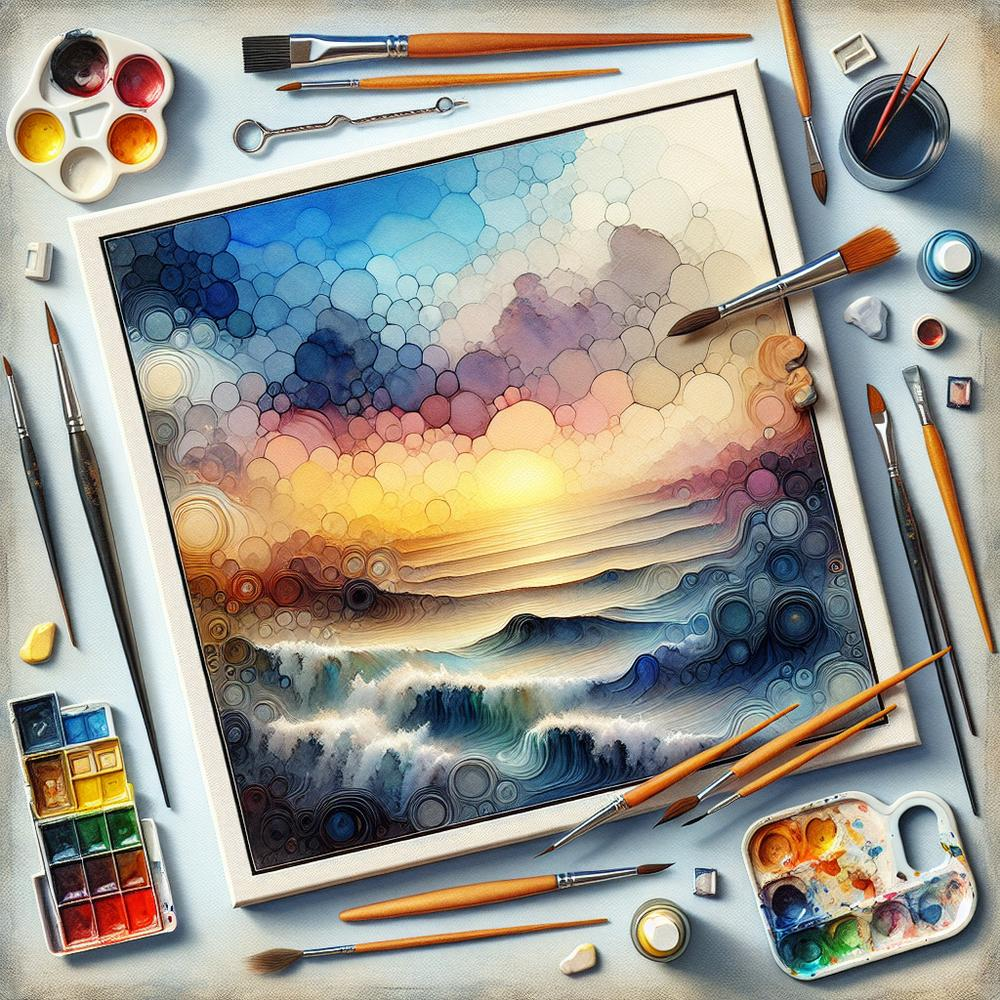
Watercolor layering techniques & glazing are foundational skills that make washes sing and subjects feel three dimensional; learning them early pays off quickly. Good layering lets light pass through upper washes to luminous underlayers, giving paintings life and subtlety. Start with an eye for value, a controlled water-to-pigment ratio, and patience as each layer dries before the next goes down. For practical step-by-step guidance on how to plan and space your layers see Watercolor Affair.
Layering begins with a plan: block in values, let washes dry, then refine with transparent glazes to build color and depth. Use wet-on-dry for sharp edges and wet-on-wet sparingly to suggest soft transitions, combining techniques for variety. Artists Network explains the balance between transparency and pigment load, which helps prevent muddiness when stacking colors. Practicing thin glazes and testing color interactions on scrap paper teaches more than theory ever will.
How many layers should I apply when glazing watercolors? The right number varies by paper and paint concentration; most paintings benefit from three to six transparent layers, with drying time between each, until you achieve the desired depth. Begin with very thin washes and increase pigment slowly, observing how each glaze alters hue and value rather than forcing saturation in one pass. Erika Lancaster’s glazing guide offers beginner-friendly demonstrations to build confidence with these steps.
HasA, IsA, DoesA questions for quick reference
HasA watercolor layering process improved your ability to keep whites luminous; IsA glaze different from a wash in transparency and intent; DoesA repeated glazing always make colors darker or can it enhance luminosity depending on pigment choice. Watch for common mistakes: overworking wet paper, using opaque pigments for glazing, and skipping test swatches. Simple habits like labeling mixes and letting each layer fully dry will protect luminosity and keep colors clean.
For help turning your layered watercolor ideas into finished pieces, Kelly-Crockett Arts can point you toward an artist who fits your vision; if Sara Kelly-Crockett will not do it for you, she will help you find the right artist to make your dream piece. If you prefer prints you can buy ready-made art in our shop by visiting shop and browse high quality reproductions. If you want a custom commission, contact us through our commission page and we will assist you while noting we do not offer lessons or photography services. For deeper reading on technique and glazing practice consult Watercolor Affair, Artists Network, and Erika Lancaster.